Why Automating Workforce Identity Management Is a Crucial Process in 2025
Resource provisioning is the process of assigning, updating, and revoking user access to IT systems based on an employee’s role, employment status, and other Personally Identifiable Information (PII).
Manual provisioning is a persistent burden for IT teams that is only compounded in the hybrid and remote environments that are commonplace in today’s world, leading to:
A Slow, Error-Prone Onboarding Process
Manual resource provisioning needs IT Service Management (ITSM) tickets, scripts, and admin oversight for every new hire a company makes. This sucks up IT resources, introduces access inconsistencies, and causes errors that delay the onboarding process.
A survey by
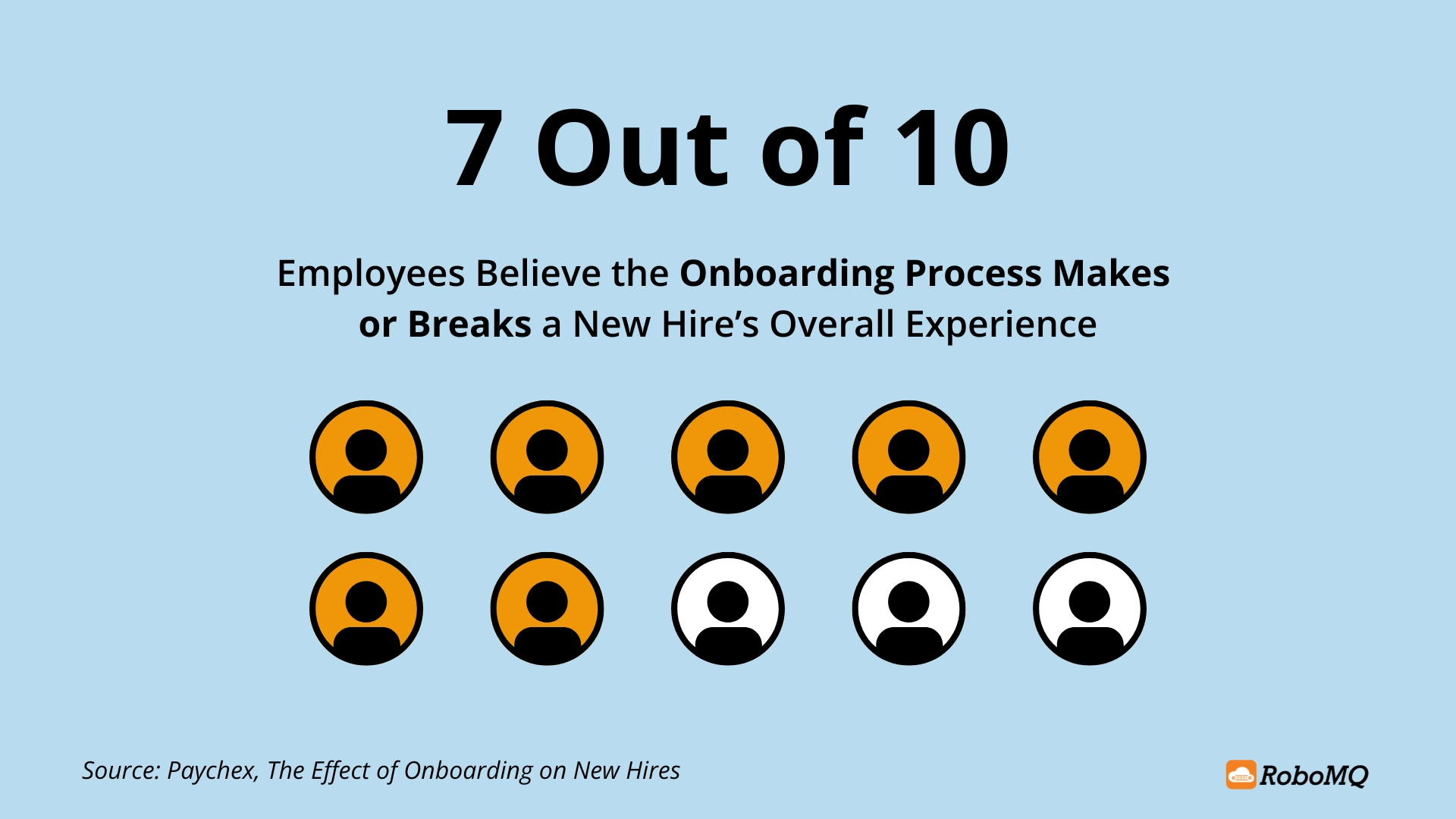
Paychex found that 70% of employees believe onboarding makes or breaks a new hire’s overall experience. If a new hire doesn’t have the right access when they start work, their first impression has been made.
Data Breaches from Delayed Deprovisioning
According to
IBM’s 2025 X-Force Threat Intelligence Index, valid credentials were the most common entry point for cyberattacks in 2024, accounting for
30% of all events.
The leading cause of these breaches stems from a manual deprovisioning process. Employees leave a company, IT is slow to revoke their access privileges, and serious security vulnerabilities are created.
As IBM says, “Hackers don’t break in, they log in.”
Audit Fatigue and Compliance Risks
Without an automated identity governance and resource provisioning process, IT teams are left scrambling to validate access controls during compliance cycles and audit preparation.
This is especially true for organizations that must comply with strict data privacy regulations like
HIPAA.
Ultimately, if you are still relying on a manual resource provisioning process, you’re reducing operational efficiency, creating security vulnerabilities, and risking compliance failure.
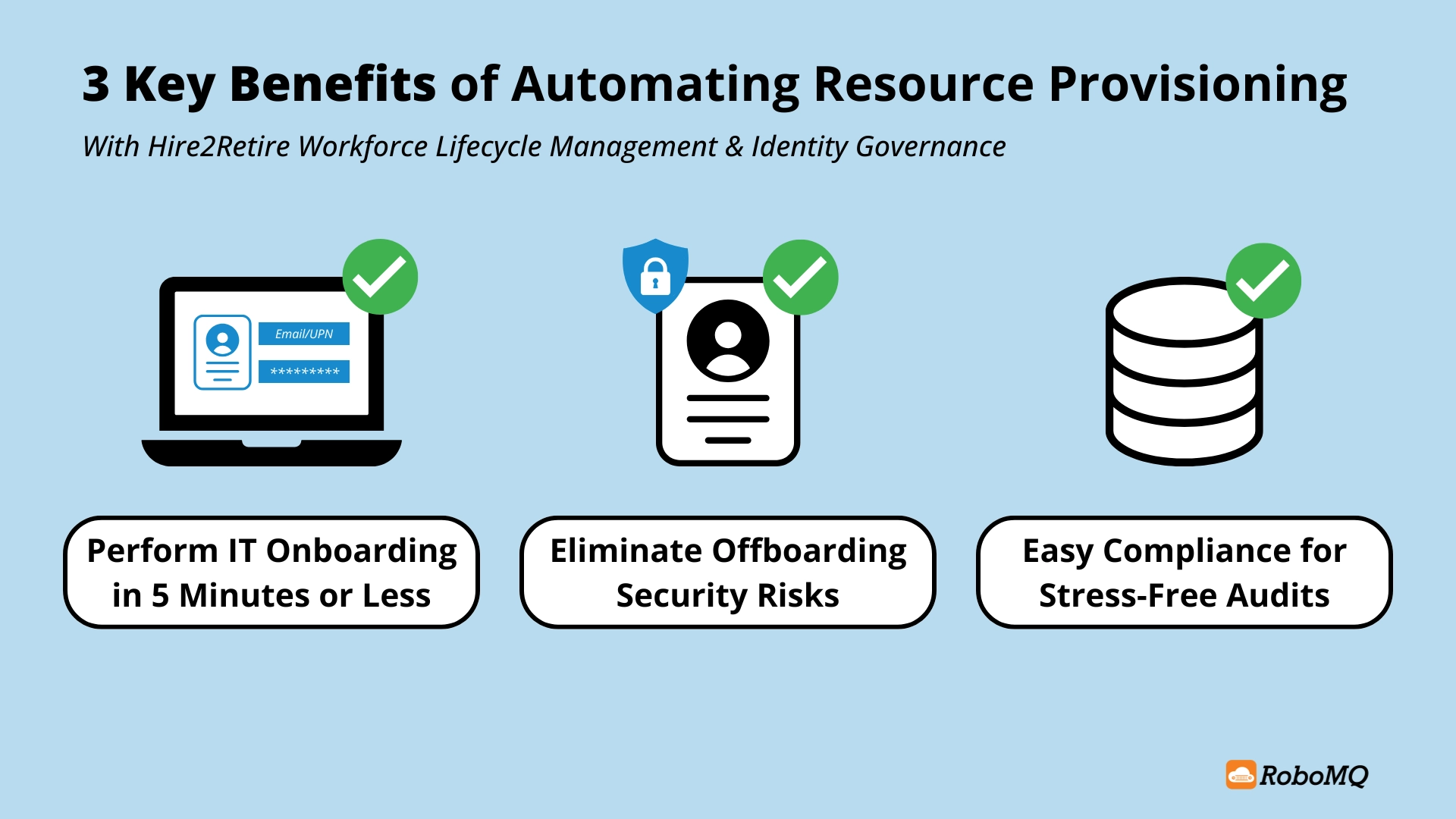
The solution? Automate your resource provisioning using Hire2Retire.